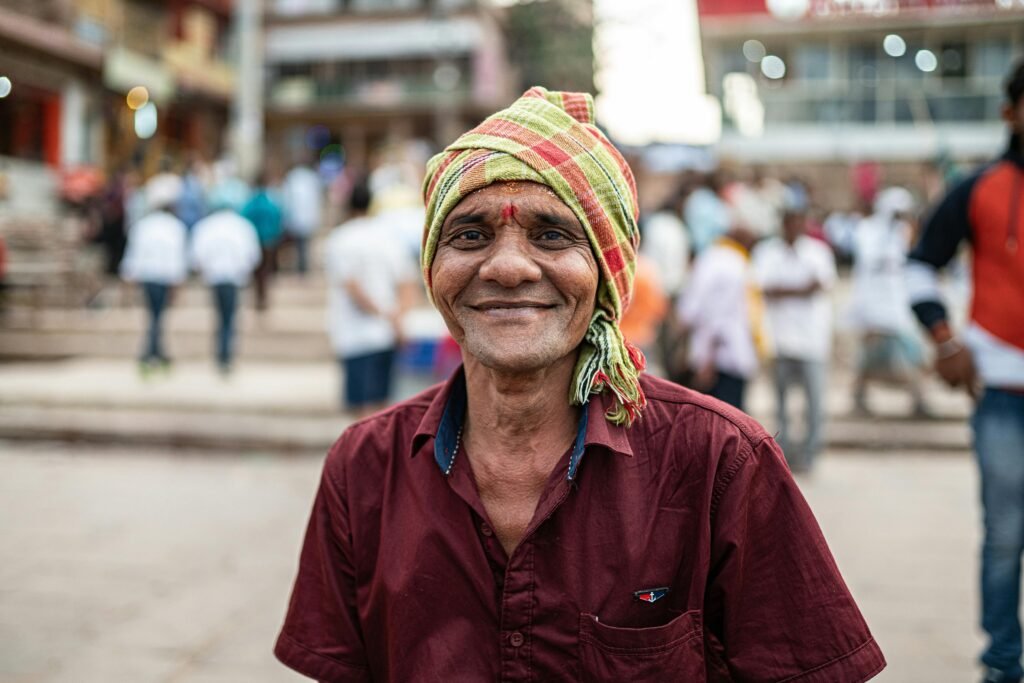
Why Seek Healthcare Across the World?
When the Best Healthcare Isn’t the Closest Healthcare

Imagine being told there are no more treatment options close to home. Then you discover that one of the world’s leading specialists for your condition is 8,000 miles away, or that you can speak to them from your living room through a secure video consultation. For millions of people, this isn’t a hypothetical situation. It’s how modern healthcare works.
Medical tourism has grown into a global industry worth hundreds of billions of dollars, with an estimated 14 -16 million people travelling internationally for healthcare each year. At the same time, virtual healthcare has transformed access to specialists, allowing patients to consult doctors anywhere in the world without leaving home. Healthcare is no longer defined by geography. Increasingly, patients are choosing the doctor they believe is best for them, not simply the one who happens to be nearby.
So why are so many people looking beyond their own cities and countries for healthcare?
Access to World-Class Expertise
When faced with a serious diagnosis, most people ask the same question:
“Am I seeing the best person for my condition?”
Rather than relying on a single opinion, patients increasingly seek internationally recognised experts or specialist centres with extensive experience treating specific diseases. This is especially common for:
- Cancer
- Heart disease
- Neurological disorders
- Rare diseases
- Complex surgery
- Paediatric conditions
Many patients travel for second opinions because they want reassurance before making life-changing decisions. In many cases, a fresh perspective can confirm a diagnosis, introduce additional treatment options, or simply provide confidence that the chosen path is the right one. Healthcare today is becoming less about location and more about expertise.
Specialization Has Changed Healthcare
Medicine has never been more specialized. Some rare diseases are treated regularly at only a handful of centres worldwide. Certain surgeons perform hundreds of complex procedures every year, while others may encounter only a few during their careers. When expertise becomes concentrated, patients naturally become willing to travel. This is why institutions such as the Mayo Clinic and Cleveland Clinic receive patients from around the world. Families are often prepared to travel thousands of miles if they believe a particular specialist has the experience their situation requires.
Shorter Waiting Times Matter
For many patients, time is just as valuable as expertise. Long waiting lists for consultations, surgery or fertility treatment can delay care by months, or even longer in some healthcare systems. Rather than waiting, many people choose hospitals or clinics overseas where appointments are available sooner. For someone living with chronic pain, declining mobility or an illness affecting everyday life, earlier treatment can significantly improve quality of life.

Lower Costs Without Compromising Quality
Cost is another major reason patients seek healthcare internationally. Medical treatment can vary dramatically in price between countries, even when delivered by highly qualified professionals in accredited facilities. This has led to the rapid growth of medical tourism, particularly for procedures such as dental treatment, cosmetic surgery, orthopaedic procedures, Bariatric surgery, and fertility treatment.
For many patients, travelling abroad is not simply about saving money, it’s about making high-quality healthcare financially accessible.
Personalized Care and Cultural Preferences
Healthcare is deeply personal. Many patients actively seek practitioners who understand their language, culture, values or preferred approach to treatment. Some people feel more comfortable discussing sensitive health concerns with someone who shares their cultural background. Others seek practitioners whose philosophy of care aligns more closely with their own beliefs about health and wellbeing. As patients become more informed, healthcare decisions are increasingly based on trust and personal fit, not just convenience.
Fertility Care Without Borders
Fertility treatment is one of the clearest examples of international healthcare becoming routine. Every year, thousands of couples travel abroad for IVF because of:
- Greater availability
- Shorter waiting times
- Lower costs
- Access to specialised expertise
- Different legal frameworks
Many fertility centres now have dedicated international patient programmes designed specifically for overseas visitors. Some people also choose to combine conventional fertility treatment with complementary care.
Actress Helena Bonham Carter has spoken publicly about using homeopathy during her fertility journey. While every patient’s experience is unique, her story reflects how many individuals explore multiple forms of support while navigating what can be a complex and emotional process.
Virtual Healthcare Has Removed Borders
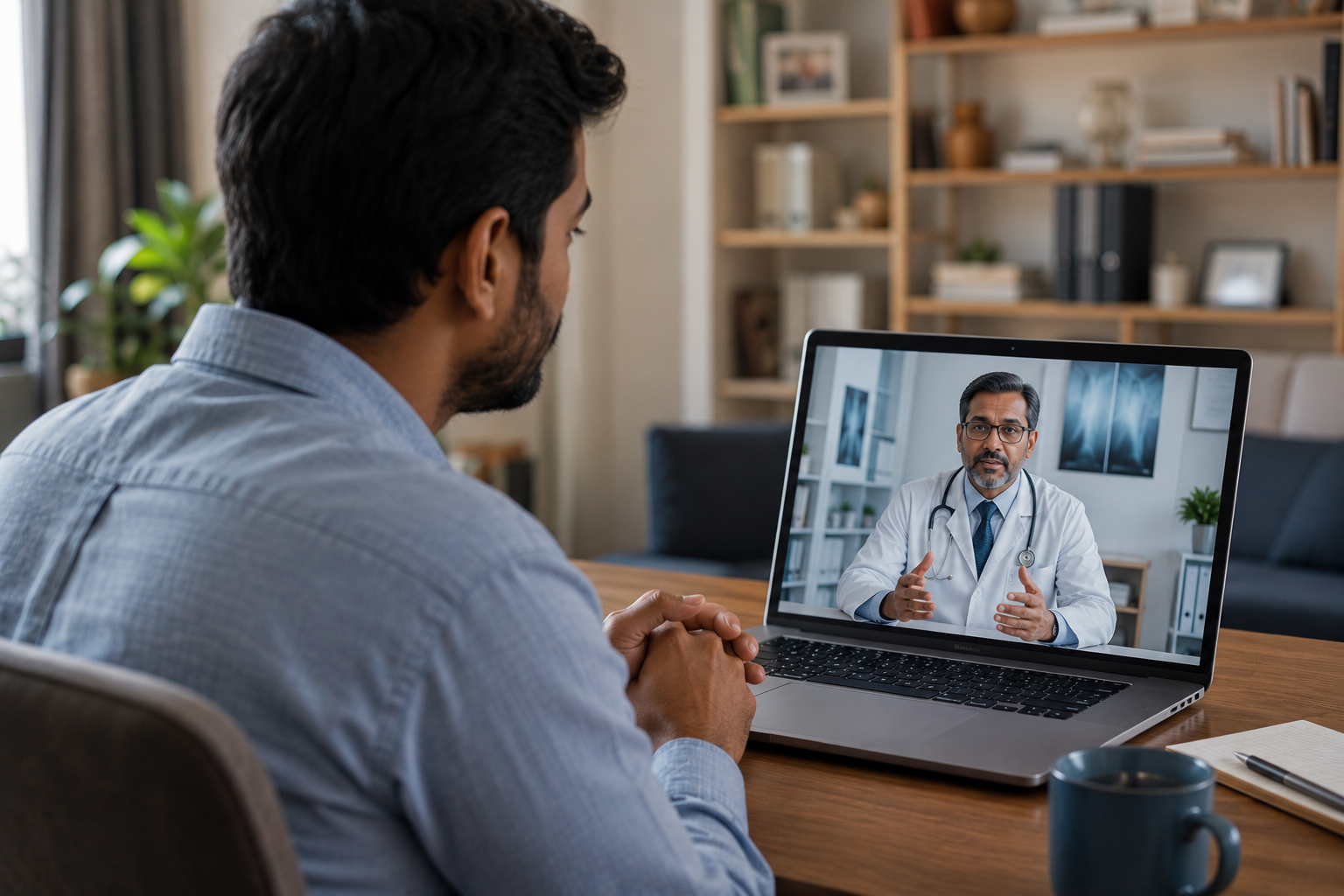
Perhaps the biggest change in modern medicine hasn’t involved airports at all. It happened through a screen. The COVID-19 pandemic accelerated telemedicine worldwide, but virtual consultations have continued to grow because patients value their convenience and accessibility. Today, people routinely consult healthcare professionals in different cities or even different countries for:
- Second opinions
- Specialist consultations
- Mental healthcare
- Chronic disease management
- Follow-up appointments
- Lifestyle and wellness advice
For many healthcare services, physical distance is no longer a barrier. The question is no longer, “Which doctor is closest?” Instead, patients increasingly ask: “Which doctor is right for me?”
Mental Healthcare Beyond Geography
Mental healthcare illustrates this shift particularly well. People now regularly attend therapy and counselling sessions entirely online, allowing them to choose professionals who speak their language, understand their culture or specialise in their specific concerns.
Singer Tina Turner reportedly consulted a homeopathic physician during periods of significant stress as part of her overall approach to maintaining her wellbeing. Like many patients today, she explored care that matched her personal preferences alongside conventional healthcare. Whether someone chooses psychotherapy, psychiatry, coaching or complementary approaches, the underlying principle is the same: patients increasingly value finding the practitioner who feels like the best fit.
Patients Are Choosing Expertise Over Distance
The internet has fundamentally changed healthcare. Patients now compare qualifications, research experience, treatment philosophy, reviews and clinical expertise before deciding who to consult. Distance has become far less important than confidence. Elite athletes demonstrate this mindset particularly well.
Former England football captain David Beckham has publicly spoken about using homeopathy as part of his healthcare and recovery routine during his playing career. While sports injuries are primarily treated through conventional sports medicine and rehabilitation, his experience reflects a broader reality: many patients combine conventional medicine with complementary therapies they personally trust. Increasingly, people aren’t choosing the nearest healthcare provider. They’re choosing the one they believe is best for them.
International Healthcare Is Already Normal
Cross-border healthcare is no longer the exception. Every day, people travel internationally for specialist surgery, fertility treatment, dental care, cancer opinions, rehabilitation and highly specialised medical services. Millions more receive healthcare virtually from professionals located hundreds or thousands of miles away. The driving force behind this shift isn’t simply travel, it’s greater choice, better access, and the freedom to connect with the healthcare professional who best meets an individual’s needs.
In that context, consulting a homeopathic practitioner in another country is not fundamentally different from seeking any other healthcare specialist internationally. Whether someone books an appointment with a renowned surgeon, an IVF expert, a rare disease center or an experienced homeopath, the motivation is the same: to access the expertise they believe is right for them. International healthcare is already normal. Homeopathy simply becomes another example of a world where healthcare is no longer limited by geography.
Gain access to an international roster of homeopaths through our directory.