
Sherlock
Sheena
Connecting the Clues to the Root Cause
Board-certified homeopath Sheena Mansukhani on clinical homeopathy, why her consultations begin with the diagnosis rather than end there, and why she documents what changes for her patients over time.
For many people living with a chronic health concern, receiving a diagnosis can feel like the end of the search for answers. It gives a name to what is happening, but sometimes, patients are still left asking a different question: Why is this happening to me, and what can I do about it?
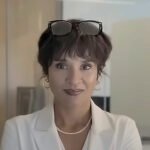
That question sits at the heart of a conversation between Seema Gokhale and Sheena Mansukhani, a board-certified homeopath with more than 20 years of clinical experience and the founder and clinical director of Your Homeopathy. In the interview, Sheena describes her approach to what she calls clinical homeopathy, an approach she developed after finding that many of the patients she encountered were dealing with several interconnected concerns rather than one isolated symptom.
Her perspective is not simply about looking beyond a diagnosis. It is about asking what the diagnosis may not tell you: what was happening when the problem began, what other symptoms appeared alongside it, how lifestyle may be involved, and how the person's experiences fit together.
From a Childhood Health Crisis to a Career in Homeopathy
Sheena's relationship with homeopathy began long before she became a practitioner. She was born prematurely following a difficult pregnancy and birth and spent time in the NICU. During childhood, she experienced recurring ear infections, chronic cough and croup, asthma, digestive difficulties, food allergies, and an inability to tolerate milk. Her family sought extensive conventional medical care, including treatment with antibiotics, steroids, injections, and other interventions.
When Sheena was around three years old, her family was told that there was little more conventional medicine could do. Her mother, unwilling to give up, began looking for alternatives and eventually took her to a homeopathic doctor in Bangalore. Sheena recalls experiencing what her family considered a profound improvement over the following months. That experience led her mother to study homeopathy herself, eventually pursuing formal training and becoming a practitioner. Sheena later followed the same path, becoming a second-generation homeopath.
For Sheena, this personal history shaped more than her career choice. It shaped how she views the patient experience. She describes her mother as someone who continued searching when conventional options appeared to have run out. That persistence became one of the qualities Sheena says she carried into her own practice.
What Is Clinical Homeopathy?
One of the central topics of the interview is the difference between classical homeopathy and Sheena's approach to clinical homeopathy. A clinical approach evaluates the underlying causes of the patient’s state and draws conclusions that reach further than the visible symptoms that traditionally guide the classical homeopath. The clinical approach is different from the classical homeopathic approach that diagnoses and prescribes by the examination of the different symptoms of the patient without evaluating the underlying causes.
Sheena explains that classical homeopathy traditionally focuses on identifying a single “simillimum”, a remedy considered to correspond most closely with the person's overall presentation. Her experience in practice, however, led her to question whether that model adequately reflected the complexity of many modern patients.
In her words, patients were rarely arriving with just one concern. Someone might be dealing with digestive problems alongside emotional stress, pain, sleep difficulties, or another chronic condition. Rather than treating these concerns as completely separate, she wanted to understand how they might be connected.
That observation became the foundation for her clinical approach. Instead of relying exclusively on a single remedy, Sheena describes using different protocols and formulas directed toward different aspects of a patient's presentation. She also emphasizes documenting patient progress and following their journey over time.
Finding the Root Cause
Perhaps the most interesting part of the conversation is Sheena's explanation of what she means by finding the “root cause.” She says that most of her patients arrive after already receiving a conventional diagnosis. In fact, she describes herself as typically being the “last knock”, someone people seek out after they have already consulted doctors and specialists.
She doesn't dismiss the diagnosis. Instead, she says she starts there.
From that starting point, the consultation becomes an exploration of the patient's broader story: when the problem began, what was happening at that time, what other symptoms developed, and whether there were emotional, lifestyle, or historical factors worth considering.
For Sheena, details such as why, how, and when something happened can be just as important as the diagnosis itself. She describes the consultation as a process in which the patient's story gradually unfolds, sometimes revealing connections they had never previously considered.
Why the Consultation Can Feel Different
Sheena contrasts her approach with what she describes as the more standardized, report-driven nature of conventional medical appointments. This is not presented as a rejection of conventional medicine. In fact, she repeatedly says that she believes conventional medicine has an important role, particularly in acute and emergency situations. Instead, she sees the two approaches as potentially occupying different but complementary roles. A clinical homeopathy consultation, as she describes it, can therefore involve considerably more conversation. Rather than focusing only on a symptom checklist, the practitioner may ask about the person's history, patterns, lifestyle, emotional experiences, and the timeline surrounding the condition. For patients accustomed to short appointments, that can represent a very different healthcare experience: one in which telling the full story is part of the process.
Ready to tell your whole story?
An initial consultation with Sheena Mansukhani starts with your diagnosis and goes further: when things began, what else changed, and how it all fits together.
A Holistic Approach Requires Patient Participation
Another recurring theme throughout the interview is patient responsibility. Sheena emphasizes that her protocols may involve lifestyle changes, supplements, dietary adjustments, and other recommendations alongside homeopathic remedies. She describes this as a multipronged approach rather than a treatment that depends on one intervention alone. This means that, in her model, the practitioner is not the only person responsible for the outcome. The patient also has a role to play.
That idea is particularly relevant to people exploring holistic health for the first time. A holistic approach is not necessarily about finding a single product or remedy that solves everything. It can instead involve looking at everyday habits and asking what changes might support a person's broader health goals. Sheena describes this philosophy through the name of her practice, Your Homeopathy, with the intention of placing a greater sense of responsibility and participation in the patient's own hands.
What About Conventional Medication?
For patients in the United States who are already taking prescription medication, one of the most important parts of the conversation is the discussion around combining conventional care with homeopathy. Sheena says that many of her patients are already taking prescription medications when they first see her. She also makes an important point: she says she would not tell a patient to immediately stop a prescription medication. Instead, she describes medication decisions as dependent on factors such as the patient's age, the medication involved, how long they have been taking it, and their individual goals.
This distinction matters. People considering homeopathy do not necessarily have to view the decision as “conventional medicine or holistic care.” The interview presents a different possibility: exploring complementary approaches while maintaining appropriate conventional medical care. Anyone taking prescription medication should discuss changes to their treatment plan with the qualified healthcare professional managing that medication.
Why Patient Outcomes Matter to Sheena
For Sheena, documenting patient cases is about more than recording individual experiences. It is about tracking results and understanding what changes over the course of treatment.
During the interview, she explains that she maintains patient logs and records patient testimonials that detail the condition they sought help for, the results they experienced, and how long those changes took. She has also recorded around 50 video interviews with patients discussing their experiences, including the outcomes they reported and the timelines involved.
Her reasoning is straightforward: patients want to know whether an approach is making a difference. Someone seeking help for a chronic condition wants to understand what improvement might look like, how long it could take, and whether the results are likely to last. Documenting individual cases allows Sheena to capture these details rather than relying solely on general explanations of her approach.
As she explains in the podcast, she would rather demonstrate results through documented patient experiences than simply debate the merits of homeopathy. For her, these accounts are a way to show prospective patients what others have reported and help them make more informed decisions about exploring the approach.
Of course, individual patient testimonials reflect personal experiences and cannot establish that a treatment caused an improvement or guarantee the same outcome for someone else. Nevertheless, clear documentation of outcomes, including what changed, when it changed, and how progress was assessed, is an important part of evaluating any approach to healthcare.
The Bigger Vision: Making Holistic Care Part of the Conversation
Looking ahead, Sheena hopes to make clinical homeopathy more visible and better understood by sharing documented patient outcomes, demonstrating her clinical approach, and helping people make informed decisions about their healthcare options. She does not envision conventional medicine disappearing. Instead, she describes a future where conventional and natural approaches coexist, with conventional medicine playing an essential role in emergencies and acute care, while holistic approaches may have a place in proactive health and wellness.
A More Personalized Path to Holistic Healthcare
Sheena's story illustrates why conversations around homeopathy often go beyond remedies themselves. At their center are questions about individuality, patient participation, lifestyle, and the desire to understand health in a broader context.
For people in the U.S. and elsewhere who are curious about homeopathy, the first step does not have to be accepting or rejecting it outright. It can simply be learning what the approach involves, asking questions, understanding the practitioner's training, and making informed decisions about how complementary care fits alongside existing healthcare.
That spirit of informed exploration is also part of what platforms such as HomeoPath aim to support: connecting people with qualified homeopaths and making it easier to explore personalized holistic care through consultations with practitioners.
Ultimately, the message running through Sheena Mansukhani's conversation with Seema Gokhale is simple: a diagnosis may describe a condition, but a patient is more than a diagnosis. And sometimes, understanding the whole person begins with taking the time to listen to the whole story.
Want to hear the full conversation? Listen to Seema Gokhale’s interview with Sheena Mansukhani to explore her approach to clinical homeopathy, patient outcomes, and looking beyond the diagnosis.
Sheena Mansukhani is a board-certified homeopath with more than 20 years in practice, the founder and clinical director of Your Homeopathy, and the creator of Clinical Homeopathy™, her structured, patient-first approach to chronic and complex cases. A second-generation homeopath, she is the author of Modern Clinical Homeopathy: A Patient-First Approach to Chronic and Complex Conditions and hosts the Sheena Says podcast. Her work focuses on chronic and complex cases, children, and hormonal health, and she sees patients online through HomeoPath.
Disclaimer. This article summarizes a podcast conversation with Sheena Mansukhani and reflects her professional perspective. It is for informational purposes only and does not constitute medical advice. Please do not stop or change any prescribed medication without speaking to the healthcare professional who manages it.